Geonosians, often called Geos or bugs in clone trooper slang, were an insectoid species native to the planet Geonosis. Geonosians resided in catacomb-like hive colonies beneath the organic-looking spires.
Read MoreGeonosian


Geonosians, often called Geos or bugs in clone trooper slang, were an insectoid species native to the planet Geonosis. Geonosians resided in catacomb-like hive colonies beneath the organic-looking spires.
Read More
Patitites were a species of diminutive sentients native to the planet Patitite Pattuna. During the Clone Wars, they had to start a democracy after the droids C-3PO and R2-D2 caused the death of their dictator, “Big” Hay-Zu.
Read More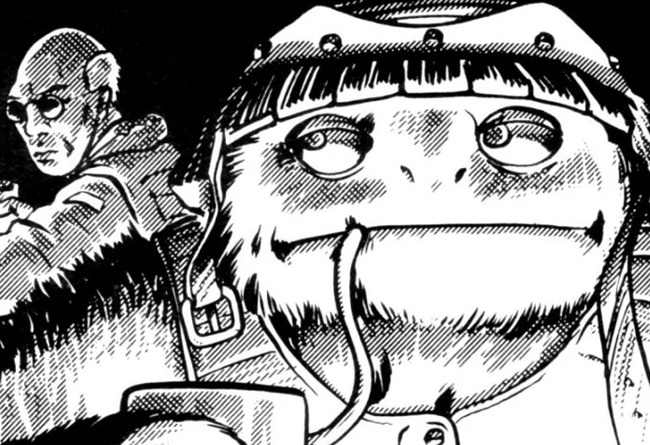
The Buzchub were a species of stocky beings covered in dark blue fur. The sentients were believed to be native to Harrandarr, a remote planet in the Bosph sector.
Read More
Brubbs were reptilian bipeds from the planet Baros in the Baros system. To adapt to life on an arid world with frequent sandstorms, the ancestors of the Brubbs evolved thick skins and tough, transparent membranes over their eyes for protection.
Read More
Bpfasshi were near-Humans native to Bpfassh.
Read More
A cultural group of humans native to the planet Alderaan. Known for their pacifistic values and devotion to the arts. Some Alderaanian males wear their hair long by tradition.
Read More
Bovorians were a species of sapient mammals indigenous to Bovo Yagen. The Bovorians were a sentient species that was thought to have evolved from flying mammals.
Read More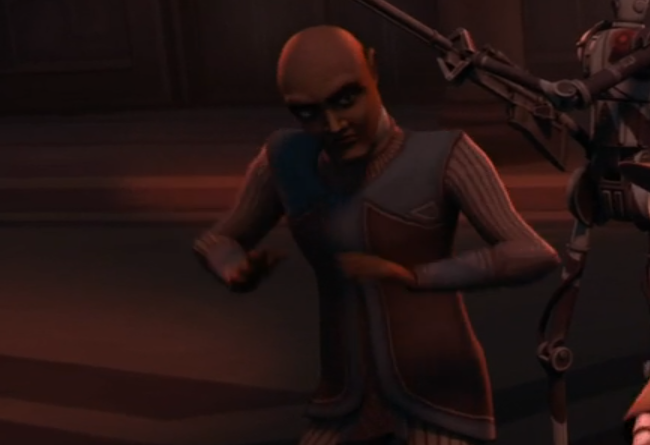
A sentient race native to the planet Christophsis. They had appearance similar to humans.
Read More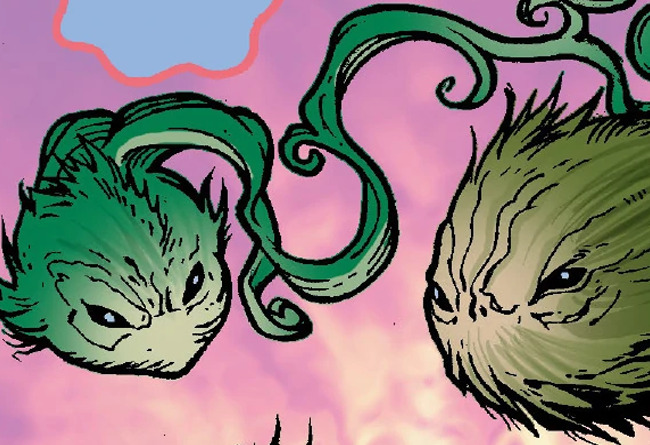
Bouncers were the native sentient species of Ruusan. Globe-like creatures, they received their name from their method of locomotion: propelled by the wind, they bounced themselves off obstacles to reach great heights. Their bodies were covered in green fur, and numerous tentacles grew from their body, of which half ended in delta shaped appendages capable of digging and writing in the ground.
Read More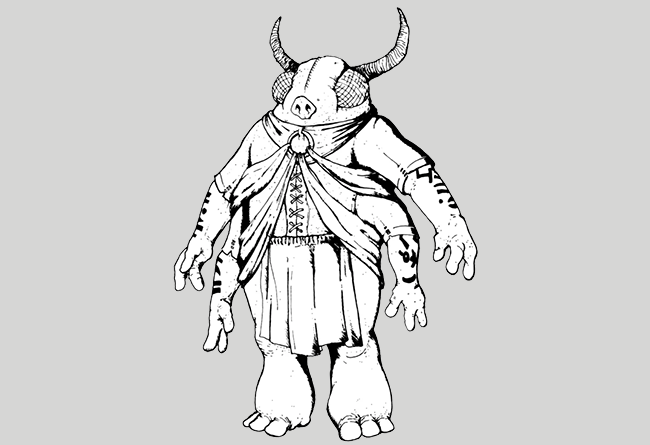
Bosphs are short four-armed bipeds, with three fingered hands and feet native to the planet Bosph. They had a stocky, humanoid shape, although their semi-circular heads were attached directly to their torso, without a neck.
Read More